
Tourist Information, Vendee History, Accommodation, Photos, Reviews, Maps,




|
| contact us | ||
| Advertise |
|
| month by month guide | ||
| Entertainment |
| January | ||
| February | ||
| March | ||
| April | ||
| May | ||
| June | ||
| July | ||
| August | ||
| September | ||
| October | ||
| November | ||
| December |
| Car Boot Sale | ||
| Discos |
|
| Getting About | ||
| Public Holidays, | ||
| Getting to the Vendee | ||
| Bike Hire | ||
| Photos | ||
| Weather | ||
| Vendee Wars | ||
| Videos | ||
| Maps & Books | ||
| Vendee Wines | ||
| Vendee Information |
|
| Vendee Restaurants | ||
| Coastal Region | ||
| Haut Bocage | ||
| Bas Bocage | ||
| Plaine | ||
| Sud Vendee | ||
| Marais Poitevin | ||
| Marais Breton | ||
| Marais Olonne |
|
| All Activities | ||
| fishing | ||
| sailing | ||
| golf | ||
| Walking | ||
| Cycling | ||
| Surfing | ||
| Karting | ||
| Swimming | ||
| Canoeing | ||
| Paintball | ||
| Horse Riding | ||
| Adventure Parks | ||
| Arts & Crafts |
|
| All Attractions | ||
| Theme Parks | ||
| Towns and Villages | ||
| Chateaux and Churches | ||
| beaches of the vendee | ||
| Adventure Parks | ||
| Amusement Parks | ||
| Water Parks | ||
| Childrens Attractions | ||
| Markets | ||
| Zoos & Gardens | ||
| Museums | ||
| Rivers of the Vendee | ||
| Vendee Islands | ||
| Vendee Wars Sites | ||
| Mills of the Vendee |
| inland beaches |
|
| Gites | ||
| Hotels | ||
| Camping | ||
| Bed & Breakfast |
| Gites with Pools | ||
| Gites Complex | ||
| All Gites |
| Camping Coastal Region | ||
| Camping Haut Bocage | ||
| Camping Marais Poitevin | ||
| Camping Sud Vendee |
|
| Coastal Region | ||
| Bas Bocage | ||
| Haut Bocage | ||
| Plaine | ||
| Sud Vendee | ||
| Marais Poitevin | ||
| Marais Breton | ||
| Marais Olonne | ||
| Mervent Forest |
St. Benoist
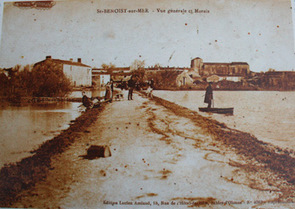
Not far from Angles and on the edge of the Marais Poitevin,
this village was once a thriving port. It is known that the Romans were
here as early as 58 BC to 51 BC. The commune, along with others,
undertook to drain the marshes from the XIII century onwards, and the
port survived until the XVII century where commodities such as Wood
called Gabares, Salt from the local Marais Salants de Curzon,
cerials and wine were exported to countries such as Germany, Holland and
England, and with Coal, Tar products, and resin being imported. During
the 17th century the marshes were further drained by Madame de la Taste
of Moricq causing the waterways to silt up, with the harbour finally
ceasing activity in 1722.
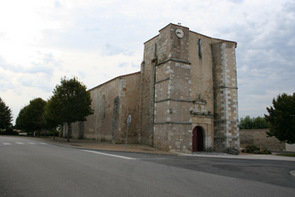
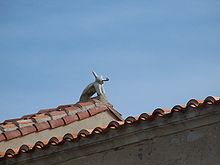
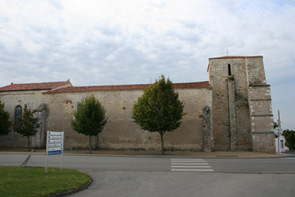
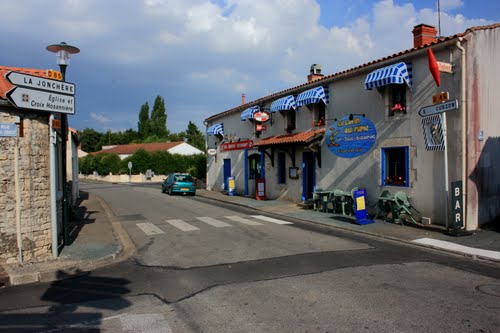
The ancient church which dates from the XI century was fortified during the middle ages and is typical of churches of that period that became refuges against the constant invasions that took place. St. Benoist church has a curiosity, that of a stone carving of a rabbit smoking a pipe high up on the roof. There are several legends regarding it origins, one is that one of the roofers used to smoke a pipe and his co-worker made fun of him by placing a smoking rabbit on the roof. The local bar/restaurant goes by the name lapin qui fumee .
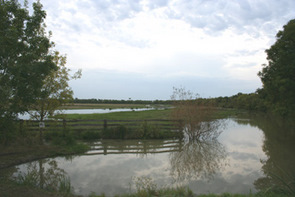
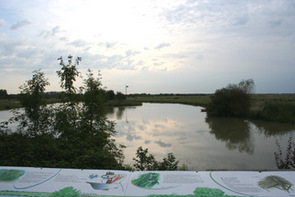
Marais Communaux; The common lands of St.Benoist which dates back to the XII century and reinforced after the revolution of 1793, they consists of 87 hectares of prairie and marshland where the locals can graze their livestock during the spring and summer. The communaux are opened with a fete in April.
Besides their use as grazing land these areas are an outstanding natural habitat for flora and fauna, there are well marked walks with regular notices indicating what to look out for and also on the history of the area. Canoes are available for hire during the season.
Resaurants. Le Lapin qui Fume. 9, rue Ocean. Tel. 02 51 97 42 93
Camping St.Benoist;
Camp municipal le marais st benoist sur mer.
Taxis; Taxis Corinne. 19, rue Barthelemy Barbiere, Te. 02 51 97 48 80.
Photo Gallery for St.Benoist
Curzon, another attractive village with ancient crypt and communaux
Moricq. Just down river, this ancient fortress guarded the entrance to the Lay River.
Return to find more interesting towns and villages in the Vendee
The ancient church which dates from the XI century was fortified during the middle ages and is typical of churches of that period that became refuges against the constant invasions that took place. St. Benoist church has a curiosity, that of a stone carving of a rabbit smoking a pipe high up on the roof. There are several legends regarding it origins, one is that one of the roofers used to smoke a pipe and his co-worker made fun of him by placing a smoking rabbit on the roof. The local bar/restaurant goes by the name lapin qui fumee .
Marais Communaux; The common lands of St.Benoist which dates back to the XII century and reinforced after the revolution of 1793, they consists of 87 hectares of prairie and marshland where the locals can graze their livestock during the spring and summer. The communaux are opened with a fete in April.
Besides their use as grazing land these areas are an outstanding natural habitat for flora and fauna, there are well marked walks with regular notices indicating what to look out for and also on the history of the area. Canoes are available for hire during the season.
Resaurants. Le Lapin qui Fume. 9, rue Ocean. Tel. 02 51 97 42 93
Camping St.Benoist;
Camp municipal le marais st benoist sur mer.
Taxis; Taxis Corinne. 19, rue Barthelemy Barbiere, Te. 02 51 97 48 80.
Photo Gallery for St.Benoist
Curzon, another attractive village with ancient crypt and communaux
Moricq. Just down river, this ancient fortress guarded the entrance to the Lay River.
Return to find more interesting towns and villages in the Vendee
In
accordance with the law "and Freedoms" of January 6, 1978, you have the
right to access and rectify information concerning you. If you wish to
exercise this right, please contact us.
© Copyright Vendee-Guide.co.uk 2009-12 This Website is built with Bluevoda from Vodahost
© Copyright Vendee-Guide.co.uk 2009-12 This Website is built with Bluevoda from Vodahost