
Tourist Information, Vendee History, Accommodation, Photos, Reviews, Maps,

Custom Search
Web |



|
| contact us | ||
| Advertise |
|
| month by month guide | ||
| Entertainment |
| January | ||
| February | ||
| March | ||
| April | ||
| May | ||
| June | ||
| July | ||
| August | ||
| September | ||
| October | ||
| November | ||
| December |
| Car Boot Sale | ||
| Discos |
|
| Getting About | ||
| Public Holidays, | ||
| Getting to the Vendee | ||
| Bike Hire | ||
| Photos | ||
| Weather | ||
| Vendee Wars | ||
| Videos | ||
| Maps & Books | ||
| Vendee Wines | ||
| Vendee Information |
|
| Vendee Restaurants | ||
| Coastal Region | ||
| Haut Bocage | ||
| Bas Bocage | ||
| Plaine | ||
| Sud Vendee | ||
| Marais Poitevin | ||
| Marais Breton | ||
| Marais Olonne |
|
| All Activities | ||
| fishing | ||
| sailing | ||
| golf | ||
| Walking | ||
| Cycling | ||
| Surfing | ||
| Karting | ||
| Swimming | ||
| Canoeing | ||
| Paintball | ||
| Horse Riding | ||
| Adventure Parks | ||
| Arts & Crafts |
|
| All Attractions | ||
| Theme Parks | ||
| Towns and Villages | ||
| Chateaux and Churches | ||
| beaches of the vendee | ||
| Adventure Parks | ||
| Amusement Parks | ||
| Water Parks | ||
| Childrens Attractions | ||
| Markets | ||
| Zoos & Gardens | ||
| Museums | ||
| Rivers of the Vendee | ||
| Vendee Islands | ||
| Vendee Wars Sites | ||
| Mills of the Vendee |
| inland beaches |
|
| Gites | ||
| Hotels | ||
| Camping | ||
| Bed & Breakfast |
| Gites with Pools | ||
| Gites Complex | ||
| All Gites |
| Camping Coastal Region | ||
| Camping Haut Bocage | ||
| Camping Marais Poitevin | ||
| Camping Sud Vendee |
|
| Coastal Region | ||
| Bas Bocage | ||
| Haut Bocage | ||
| Plaine | ||
| Sud Vendee | ||
| Marais Poitevin | ||
| Marais Breton | ||
| Marais Olonne | ||
| Mervent Forest |



In
accordance with the law "and Freedoms" of January 6, 1978, you have the
right to access and rectify information concerning you. If you wish to
exercise this right, please contact us.
© Copyright Vendee-Guide.co.uk 2009-12 This Website is built with Bluevoda from Vodahost
© Copyright Vendee-Guide.co.uk 2009-12 This Website is built with Bluevoda from Vodahost
Plaine
The Vendée
Plaine more often referred to as the Luçon -Fontenay Prairie is the
original coastal plaine that developed behind the Bay of Pictons, It was
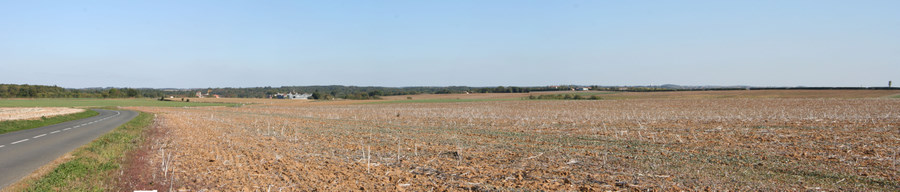
a vast expanse of natural grassland, almost devoid of trees, rising
from the then shoreline to a ridge which today is the N148 road and then
falling back down into the bocage. The Plaine has always been a
prosperous region something which is clearly demonstrated by the towns
of Fontenay-le-Comte and Lucon, but also in the houses of the Plaine,
which still stand tall and strong, having been built of stone and
thereby displaying the wealth of their original owners.
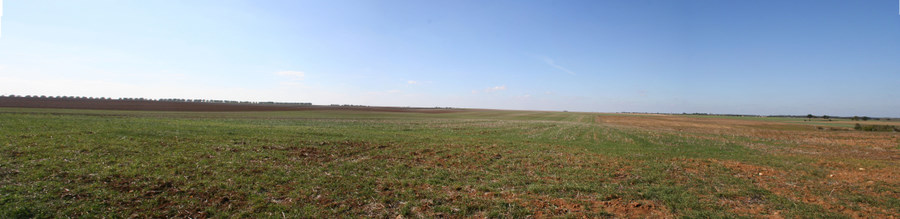
This is a landscape of large fields full of sunflower, maze and wheat, with few trees and wide vistas. Agriculture is King of the Plaine, it moves with the seasons changing as the different harvest and plantings take place, but one cannot fell to be impressed with the fast expanses of sunflowers, wheat and maize which are the major crops.
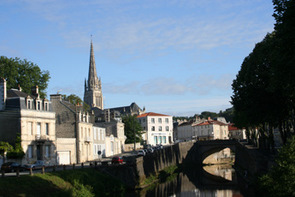
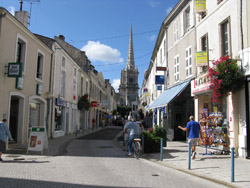
The Plaine is probably the area of least tourism in the Vendée, yet within the vast open landscape there are some real treasures, The towns of Fontenay-le-Comte and Luçon have two of the finest historical heritages of any towns in the Vendée, with Fontenay exhibiting architectural and scholarly heritage and Luçon with its considerable religious heritage.
The Plaine is roughly wedge shaped widest in the west then squeezed by the Marais Poitevin to the south and the Bas Bocage to its north. It runs along a line in the north from St Hermine in the westend through Thire, St Valerien, L'Hermenault, Fontenay-le-Comte, Oulmes to Benet in the east, and in the south from Luçon in the west through Naillier, La Langon, Fountaines to Benet. They are not straight lines by any means, and have peninsulas pushing out into the the Marais Poitevin.
This is a landscape of large fields full of sunflower, maze and wheat, with few trees and wide vistas. Agriculture is King of the Plaine, it moves with the seasons changing as the different harvest and plantings take place, but one cannot fell to be impressed with the fast expanses of sunflowers, wheat and maize which are the major crops.
The Plaine is probably the area of least tourism in the Vendée, yet within the vast open landscape there are some real treasures, The towns of Fontenay-le-Comte and Luçon have two of the finest historical heritages of any towns in the Vendée, with Fontenay exhibiting architectural and scholarly heritage and Luçon with its considerable religious heritage.
The Plaine is roughly wedge shaped widest in the west then squeezed by the Marais Poitevin to the south and the Bas Bocage to its north. It runs along a line in the north from St Hermine in the westend through Thire, St Valerien, L'Hermenault, Fontenay-le-Comte, Oulmes to Benet in the east, and in the south from Luçon in the west through Naillier, La Langon, Fountaines to Benet. They are not straight lines by any means, and have peninsulas pushing out into the the Marais Poitevin.