
Tourist Information, Vendee History, Accommodation, Photos, Reviews, Maps,

Custom Search
Web |



|
| contact us | ||
| Advertise |
|
| month by month guide | ||
| Entertainment |
| January | ||
| February | ||
| March | ||
| April | ||
| May | ||
| June | ||
| July | ||
| August | ||
| September | ||
| October | ||
| November | ||
| December |
| Car Boot Sale | ||
| Discos |
|
| Getting About | ||
| Public Holidays, | ||
| Getting to the Vendee | ||
| Bike Hire | ||
| Photos | ||
| Weather | ||
| Vendee Wars | ||
| Videos | ||
| Maps & Books | ||
| Vendee Wines | ||
| Vendee Information |
|
| Vendee Restaurants | ||
| Coastal Region | ||
| Haut Bocage | ||
| Bas Bocage | ||
| Plaine | ||
| Sud Vendee | ||
| Marais Poitevin | ||
| Marais Breton | ||
| Marais Olonne |
|
| All Activities | ||
| fishing | ||
| sailing | ||
| golf | ||
| Walking | ||
| Cycling | ||
| Surfing | ||
| Karting | ||
| Swimming | ||
| Canoeing | ||
| Paintball | ||
| Horse Riding | ||
| Adventure Parks | ||
| Arts & Crafts |
|
| All Attractions | ||
| Theme Parks | ||
| Towns and Villages | ||
| Chateaux and Churches | ||
| beaches of the vendee | ||
| Adventure Parks | ||
| Amusement Parks | ||
| Water Parks | ||
| Childrens Attractions | ||
| Markets | ||
| Zoos & Gardens | ||
| Museums | ||
| Rivers of the Vendee | ||
| Vendee Islands | ||
| Vendee Wars Sites | ||
| Mills of the Vendee |
| inland beaches |
|
| Gites | ||
| Hotels | ||
| Camping | ||
| Bed & Breakfast |
| Gites with Pools | ||
| Gites Complex | ||
| All Gites |
| Camping Coastal Region | ||
| Camping Haut Bocage | ||
| Camping Marais Poitevin | ||
| Camping Sud Vendee |
|
| Coastal Region | ||
| Bas Bocage | ||
| Haut Bocage | ||
| Plaine | ||
| Sud Vendee | ||
| Marais Poitevin | ||
| Marais Breton | ||
| Marais Olonne | ||
| Mervent Forest |
Luçon
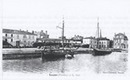
Lucon is
situated on the borders of the Marais Poitevin, Bas Bocage and the
prairie of Lucon-fontenay, it was once a sea port and was on the Roman
road from Les Sables d,Olonne to Niort. The Alluvial deposits did not
start silting up the gulf of Picton till the 10th century, the harbour
in Lucon was in use until 1924 though this was only made possible by the
draining of the marshes by the Benedictine monks and later the Dutch.
The town was plundered by the Normans in 846 and again in 853 by the Viking chief Hastings. Another Viking chief was recruited by the Count du Poitier to recapture the town and after a short siege Hastings negotiated a safe passage burning the town as he left.
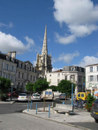
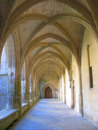
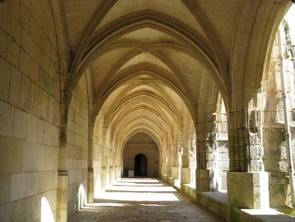
The Cathedral of Lucon dominates the skyline for miles around, the spire at 85m high is the pinnacle of this great cathedral which is built in several styles on the site of a 12th century Romanesque church. Very little remains of the original church except the gable end of the north transept and part of the south transept. There is a gothic nave with two aisles,14th century Choir and a Renaissance chapel. The facade is 17th century by Toscane who also worked at St Michel en Herm and Fontenay le Comte. The three sided cloister that joins the bishops palace to the cathedral is from the Renaissance period. The organ by Cavaille-coll was presented to the cathedral by Napoleon 111.
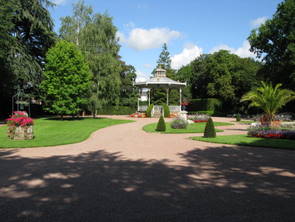
In 1871 M. dumaine gave the town an attractive park which can be found behind the Marie.
Lucon is ideally situated for discovering many of the attractions of the south and west Vendee including; the cote Luminiere, the marais poitevin, the Praire of Fontenay-lucon and the bocage, it has good communications both by road or rail.
Lucon is regarded as the spiritual capital of the Bas Poitou with the original monastery founded by St.Philbert in the V11e.
In 1317 Pope John XX11 decreed Lucon a Bishopric with a bishops palace and cathedral. The most famous bishop was Armand du Plessis who at 23 was appointed bishop in 1608, he declared Lucon "the vilest, muddiest and most unattractive bishopric in France” as the town had never recovered from the wars of religion. Armand du Plessis who later became Cardinal Richelieu and later still the 1st Minister under Louis X111 set about regenerating his diocese with the rebuilding of churches, the cathedral and his palace, he also founded a college and hospital in the town.
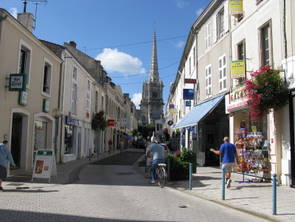
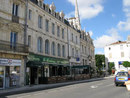
Today Lucon is a thriving country town with a population of 10,000. Its main industries are Agriculture, tourism and building mobile homes. There are numerous Restaurants, bars and cafes as well as shops and supermarkets and the town has a bustling yet relaxed atmosphere with a very French feel to it.
Markets; Wednesday and Saturdays.
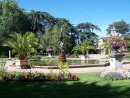
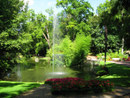
Jardine Dumaine. Behind the Maire this attractive garden built on the site of old Capuchin convent was given to the town by the Dumaine family after whom it is named.This park has an avenue of 170 year old Yew trees, clipped and over 7m high. The lake with is ducks and geese is always an attraction for children as are the living statues of animals from the fables of La Fontaine. All around the wrought iron bandstand which is decorated with bronze naiads are colourful flower beds.
This park is a perfect diversion for all the family.
Court D'Aron. This flora park in the ground of the Chateau d'Aron is one of the finest in his part of France
Lac des Guifettes. This lake is the centre of activities both on the water and ashore and is 3 kms west of the own.
Magnil-Reigniers. Lying just west of Lucon this small village is best known for St Nicolas Church (XII century) and its Priory (XIV century). The church was burned by the Normans in 853, together with the Cathedral of Lucon. It remained until the 12th century when Saint Nicolas is rebuilt in the Romanesque style. In the 14th century, it was decided to raise the center of the church, adding the bell tower. The Priory collected the Royalties that where paid to the diocese. An attractive little community well worth a short detour. Photos of Magnils-Reigners.
Camping; Atlantique Pellerin Vacances. Le Haut Dore. Tel 02 51 56 08 78.
Camping le Cle des Champs, La Papotière, Beugné l'Abbé Tel.02 51 56 29 06.
Bike Hire; Domaine des Guifettes. Route de l'Aiguillon. Tel. 02 51 56 17 16.
Camping le Cle des Champs, La Papotière, Beugné l'Abbé Tel.02 51 56 29 06.
Taxis; Taxis Charpentier. 1 Bd Michel Phelpon. Tel. 09 75 83 69 42.
Taxis Dufour Laurent. 11 rue Saunerie, St.Cyr en Talmondais.Tel.02 51 97 44 21
Photo gallery for Lucon
The town was plundered by the Normans in 846 and again in 853 by the Viking chief Hastings. Another Viking chief was recruited by the Count du Poitier to recapture the town and after a short siege Hastings negotiated a safe passage burning the town as he left.
The Cathedral of Lucon dominates the skyline for miles around, the spire at 85m high is the pinnacle of this great cathedral which is built in several styles on the site of a 12th century Romanesque church. Very little remains of the original church except the gable end of the north transept and part of the south transept. There is a gothic nave with two aisles,14th century Choir and a Renaissance chapel. The facade is 17th century by Toscane who also worked at St Michel en Herm and Fontenay le Comte. The three sided cloister that joins the bishops palace to the cathedral is from the Renaissance period. The organ by Cavaille-coll was presented to the cathedral by Napoleon 111.
In 1871 M. dumaine gave the town an attractive park which can be found behind the Marie.
Lucon is ideally situated for discovering many of the attractions of the south and west Vendee including; the cote Luminiere, the marais poitevin, the Praire of Fontenay-lucon and the bocage, it has good communications both by road or rail.
Lucon is regarded as the spiritual capital of the Bas Poitou with the original monastery founded by St.Philbert in the V11e.
In 1317 Pope John XX11 decreed Lucon a Bishopric with a bishops palace and cathedral. The most famous bishop was Armand du Plessis who at 23 was appointed bishop in 1608, he declared Lucon "the vilest, muddiest and most unattractive bishopric in France” as the town had never recovered from the wars of religion. Armand du Plessis who later became Cardinal Richelieu and later still the 1st Minister under Louis X111 set about regenerating his diocese with the rebuilding of churches, the cathedral and his palace, he also founded a college and hospital in the town.
Today Lucon is a thriving country town with a population of 10,000. Its main industries are Agriculture, tourism and building mobile homes. There are numerous Restaurants, bars and cafes as well as shops and supermarkets and the town has a bustling yet relaxed atmosphere with a very French feel to it.
Markets; Wednesday and Saturdays.
Jardine Dumaine. Behind the Maire this attractive garden built on the site of old Capuchin convent was given to the town by the Dumaine family after whom it is named.This park has an avenue of 170 year old Yew trees, clipped and over 7m high. The lake with is ducks and geese is always an attraction for children as are the living statues of animals from the fables of La Fontaine. All around the wrought iron bandstand which is decorated with bronze naiads are colourful flower beds.
This park is a perfect diversion for all the family.
Court D'Aron. This flora park in the ground of the Chateau d'Aron is one of the finest in his part of France
Lac des Guifettes. This lake is the centre of activities both on the water and ashore and is 3 kms west of the own.
Magnil-Reigniers. Lying just west of Lucon this small village is best known for St Nicolas Church (XII century) and its Priory (XIV century). The church was burned by the Normans in 853, together with the Cathedral of Lucon. It remained until the 12th century when Saint Nicolas is rebuilt in the Romanesque style. In the 14th century, it was decided to raise the center of the church, adding the bell tower. The Priory collected the Royalties that where paid to the diocese. An attractive little community well worth a short detour. Photos of Magnils-Reigners.
Camping; Atlantique Pellerin Vacances. Le Haut Dore. Tel 02 51 56 08 78.
Camping le Cle des Champs, La Papotière, Beugné l'Abbé Tel.02 51 56 29 06.
Bike Hire; Domaine des Guifettes. Route de l'Aiguillon. Tel. 02 51 56 17 16.
Camping le Cle des Champs, La Papotière, Beugné l'Abbé Tel.02 51 56 29 06.
Taxis; Taxis Charpentier. 1 Bd Michel Phelpon. Tel. 09 75 83 69 42.
Taxis Dufour Laurent. 11 rue Saunerie, St.Cyr en Talmondais.Tel.02 51 97 44 21
Photo gallery for Lucon
In
accordance with the law "and Freedoms" of January 6, 1978, you have the
right to access and rectify information concerning you. If you wish to
exercise this right, please contact us.
© Copyright Vendee-Guide.co.uk 2009-12 This Website is built with Bluevoda from Vodahost
© Copyright Vendee-Guide.co.uk 2009-12 This Website is built with Bluevoda from Vodahost