
Tourist Information, Vendee History, Accommodation, Photos, Reviews, Maps,

Custom Search
Web |



|
| contact us | ||
| Advertise |
|
| month by month guide | ||
| Entertainment |
| January | ||
| February | ||
| March | ||
| April | ||
| May | ||
| June | ||
| July | ||
| August | ||
| September | ||
| October | ||
| November | ||
| December |
| Car Boot Sale | ||
| Discos |
|
| Getting About | ||
| Public Holidays, | ||
| Getting to the Vendee | ||
| Bike Hire | ||
| Photos | ||
| Weather | ||
| Vendee Wars | ||
| Videos | ||
| Maps & Books | ||
| Vendee Wines | ||
| Vendee Information |
|
| Vendee Restaurants | ||
| Coastal Region | ||
| Haut Bocage | ||
| Bas Bocage | ||
| Plaine | ||
| Sud Vendee | ||
| Marais Poitevin | ||
| Marais Breton | ||
| Marais Olonne |
|
| All Activities | ||
| fishing | ||
| sailing | ||
| golf | ||
| Walking | ||
| Cycling | ||
| Surfing | ||
| Karting | ||
| Swimming | ||
| Canoeing | ||
| Paintball | ||
| Horse Riding | ||
| Adventure Parks | ||
| Arts & Crafts |
|
| All Attractions | ||
| Theme Parks | ||
| Towns and Villages | ||
| Chateaux and Churches | ||
| beaches of the vendee | ||
| Adventure Parks | ||
| Amusement Parks | ||
| Water Parks | ||
| Childrens Attractions | ||
| Markets | ||
| Zoos & Gardens | ||
| Museums | ||
| Rivers of the Vendee | ||
| Vendee Islands | ||
| Vendee Wars Sites | ||
| Mills of the Vendee |
| inland beaches |
|
| Gites | ||
| Hotels | ||
| Camping | ||
| Bed & Breakfast |
| Gites with Pools | ||
| Gites Complex | ||
| All Gites |
| Camping Coastal Region | ||
| Camping Haut Bocage | ||
| Camping Marais Poitevin | ||
| Camping Sud Vendee |
|
| Coastal Region | ||
| Bas Bocage | ||
| Haut Bocage | ||
| Plaine | ||
| Sud Vendee | ||
| Marais Poitevin | ||
| Marais Breton | ||
| Marais Olonne | ||
| Mervent Forest |
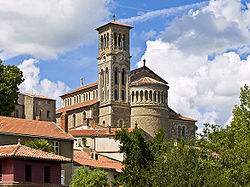
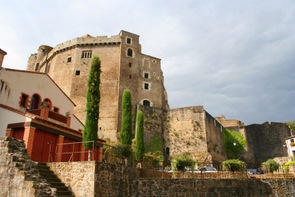
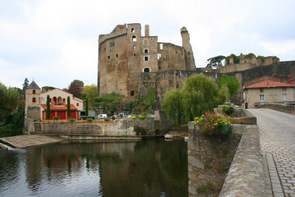
Clisson
At the confluence of the River Sèvre Nantaise
and its tributary the river Moines lays the picturesque town of Clisson
with its roots in medieval history. Although just inside the Loire
Atlantique Department, the border of the Vendée comes to the very edge
of this great fortified town which played a central role in the Wars of the Vendée.
At that time the Department of the Vendée, which was created on 26th
February 1790, was only 4 years old and most of Clisson’s citizens still
considered themselves as inhabitants of the Bas Poitou.
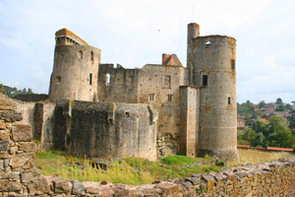
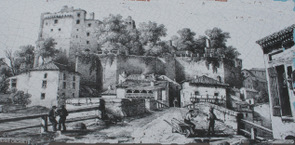
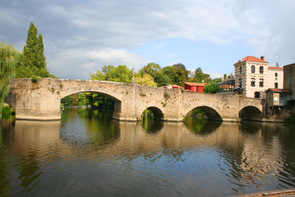
The castle and the town were torched and ruined by the conflict in 1794 leaving only the market hall (a barracks for the Republicans) and two river bridges standing. After the conflicts were concluded the town was rebuilt by the wealthy Cacault brothers (from Nantes) and the sculptor Francois-Frederic Lemot. His influence in particular lead to the Italian look and feel of the town, so much so in fact, that many of the business in the area built their water-mills and dwellings in similar style. Lemot bought the ancient hunt de la Seigneurd de Clisson in 1805 and the chateau in 1807.
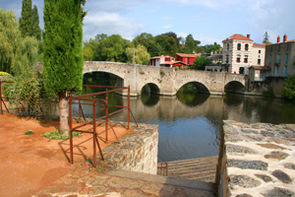
The walks along the Sèvre Nantaise River both north into the Loire Atlantique or south into the Vendée are well rewarded. Just a mile or so from town at Fouques on the Vendée side of the river starts the "Chemin Vendée Vers Composte" which was opened in 2004,and is the start of the walk way around the Vendée. Nearby is the Chapel Templar, founded by the Knights de Malta who succeeded the Knights templar, and at the time it was remarked as being the finest chapel in this area of France. Here at Fouques you will find the old wooden decked road bridge that crosses the river Sèvre Nantaise.
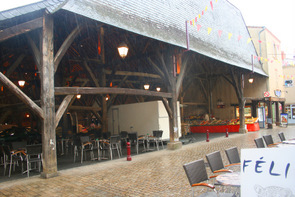
The town is well served by restaurants, bars and cafes and the tourist information office by the town's old market hall was information, not only on the town, but also on the local wine route with wine on sale in their office. The Medieval Market hall is a network of old oak posts and beams held together by oak pegs.
Return to find more interesting towns and villages in the Vendee
The castle and the town were torched and ruined by the conflict in 1794 leaving only the market hall (a barracks for the Republicans) and two river bridges standing. After the conflicts were concluded the town was rebuilt by the wealthy Cacault brothers (from Nantes) and the sculptor Francois-Frederic Lemot. His influence in particular lead to the Italian look and feel of the town, so much so in fact, that many of the business in the area built their water-mills and dwellings in similar style. Lemot bought the ancient hunt de la Seigneurd de Clisson in 1805 and the chateau in 1807.
The walks along the Sèvre Nantaise River both north into the Loire Atlantique or south into the Vendée are well rewarded. Just a mile or so from town at Fouques on the Vendée side of the river starts the "Chemin Vendée Vers Composte" which was opened in 2004,and is the start of the walk way around the Vendée. Nearby is the Chapel Templar, founded by the Knights de Malta who succeeded the Knights templar, and at the time it was remarked as being the finest chapel in this area of France. Here at Fouques you will find the old wooden decked road bridge that crosses the river Sèvre Nantaise.
The town is well served by restaurants, bars and cafes and the tourist information office by the town's old market hall was information, not only on the town, but also on the local wine route with wine on sale in their office. The Medieval Market hall is a network of old oak posts and beams held together by oak pegs.
Return to find more interesting towns and villages in the Vendee
In
accordance with the law "and Freedoms" of January 6, 1978, you have the
right to access and rectify information concerning you. If you wish to
exercise this right, please contact us.
© Copyright Vendee-Guide.co.uk 2009-12 This Website is built with Bluevoda from Vodahost
© Copyright Vendee-Guide.co.uk 2009-12 This Website is built with Bluevoda from Vodahost